
Hungary draws the curtain on wild animal circuses in historic welfare shake-up
Hungary’s landmark decision signals a new era for animal welfare, ending wild animal performances forever.

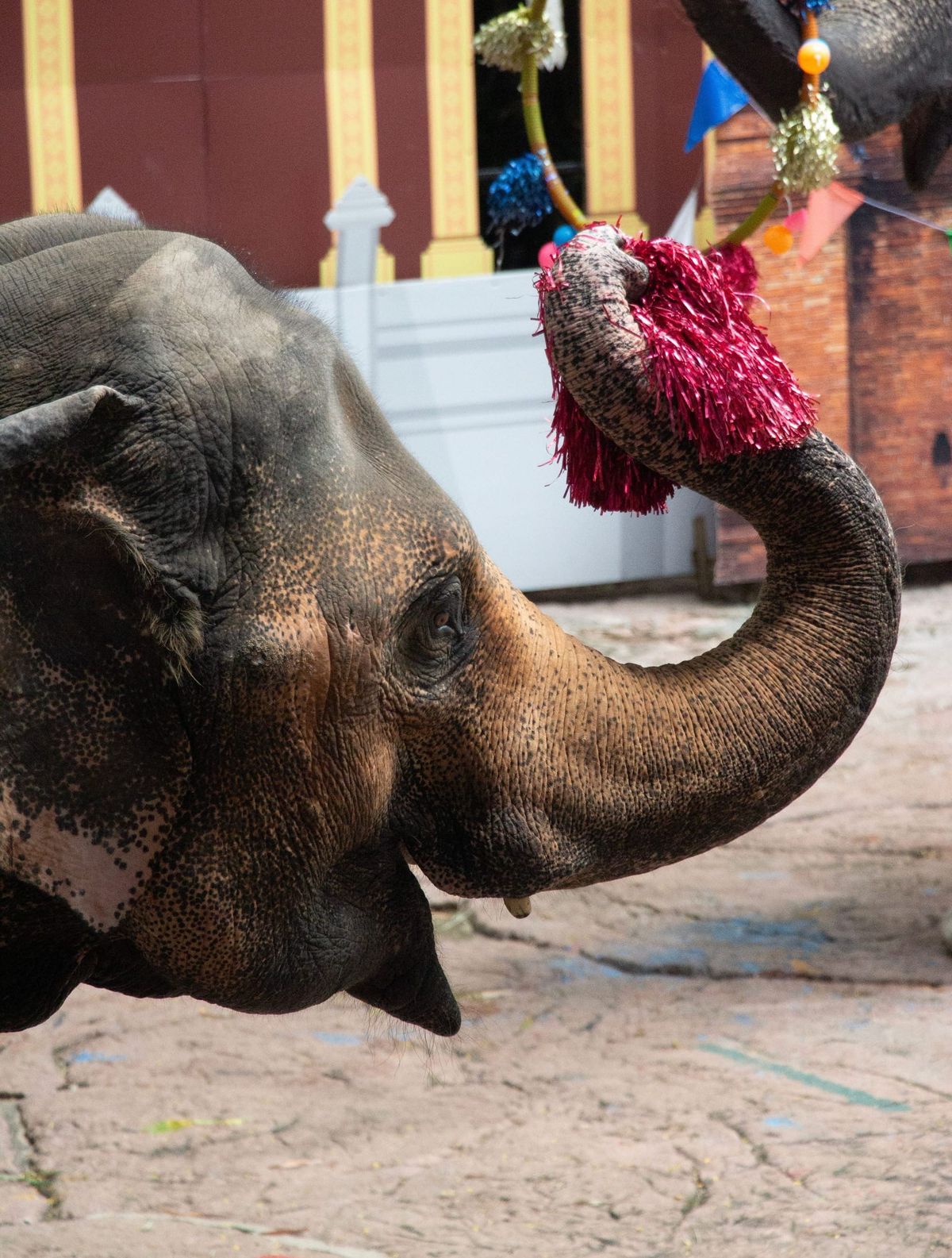
Hungary is preparing to make history after introducing groundbreaking legislation that will end the use of wild animals in circuses from 1st January 2027.
The new rules, outlined in Government Decree 124/2026 and published in the Hungarian Gazette on 13th August, will prohibit circuses from acquiring, breeding, keeping, training or exhibiting a wide range of wild species.
The decision marks one of the country’s most significant animal welfare reforms in recent years and reflects a growing belief that wild animals should no longer be used as a form of public entertainment.
Under the legislation, 25 different groups of animals will be affected by the ban. The list includes elephants, primates, big cats, bears and giraffes, alongside seals, reptiles and birds of prey.
Domestic animals, including horses, dogs and cats, will not be included in the restrictions. However, the era of wild animals performing beneath the circus tent is officially coming to an end.
Importantly, the legislation also outlines what will happen to animals currently living in travelling circuses. Rather than being removed immediately, they will be gradually phased out in a way that prioritises their welfare. Existing animals will be allowed to remain in their current homes and live out the rest of their lives without being forced into future performances.
The new law follows a major political change in Hungary earlier this year. After the parliamentary election in April 2026, the country’s new administration created a dedicated Ministry for the Living Environment, signalling a fresh approach to environmental and animal welfare policies.
The representation of a long-overdue reform
The ministry is led by former zoo director László Gajdos, and animal welfare issues have quickly become a much more prominent part of the government’s agenda.

The move also brings Hungary closer to the European mainstream. According to Eurogroup for Animals, 24 of the European Union’s 27 member states already have national restrictions on the use of animals in circuses.
For many campaigners, Hungary’s decision sends a clear message: the future of entertainment no longer includes wild animals performing for applause.