Should you buy (second-hand) leather? Here are the yeses and noes
Exploring whether second-hand leather supports sustainability, ethics and conscious choices.

Leather has long been associated with quality and durability, but as the world becomes increasingly conscious of sustainability and animal welfare, many people are beginning to question whether buying new leather still makes sense. Every new leather jacket, handbag or pair of boots comes from an industry linked to significant greenhouse gas emissions, extensive water use and deforestation for livestock farming. Beyond the environmental impact, leather production depends on animal slaughter, making it difficult to reconcile with a future that is becoming more compassionate and increasingly cruelty-free.
That doesn’t necessarily mean every leather item should end up in the bin. In fact, throwing away perfectly usable leather products can create unnecessary waste. This is where second-hand leather enters the conversation.
Unlike many synthetic materials, genuine leather is incredibly durable. A well-made leather bag or jacket can last for decades if properly cared for, while many plastic-based alternatives may crack, peel or end up in landfill after only a few years. Since plastics can take hundreds of years to decompose, extending the life of an existing leather product is often the more environmentally responsible choice than replacing it with a brand-new synthetic item every few seasons.
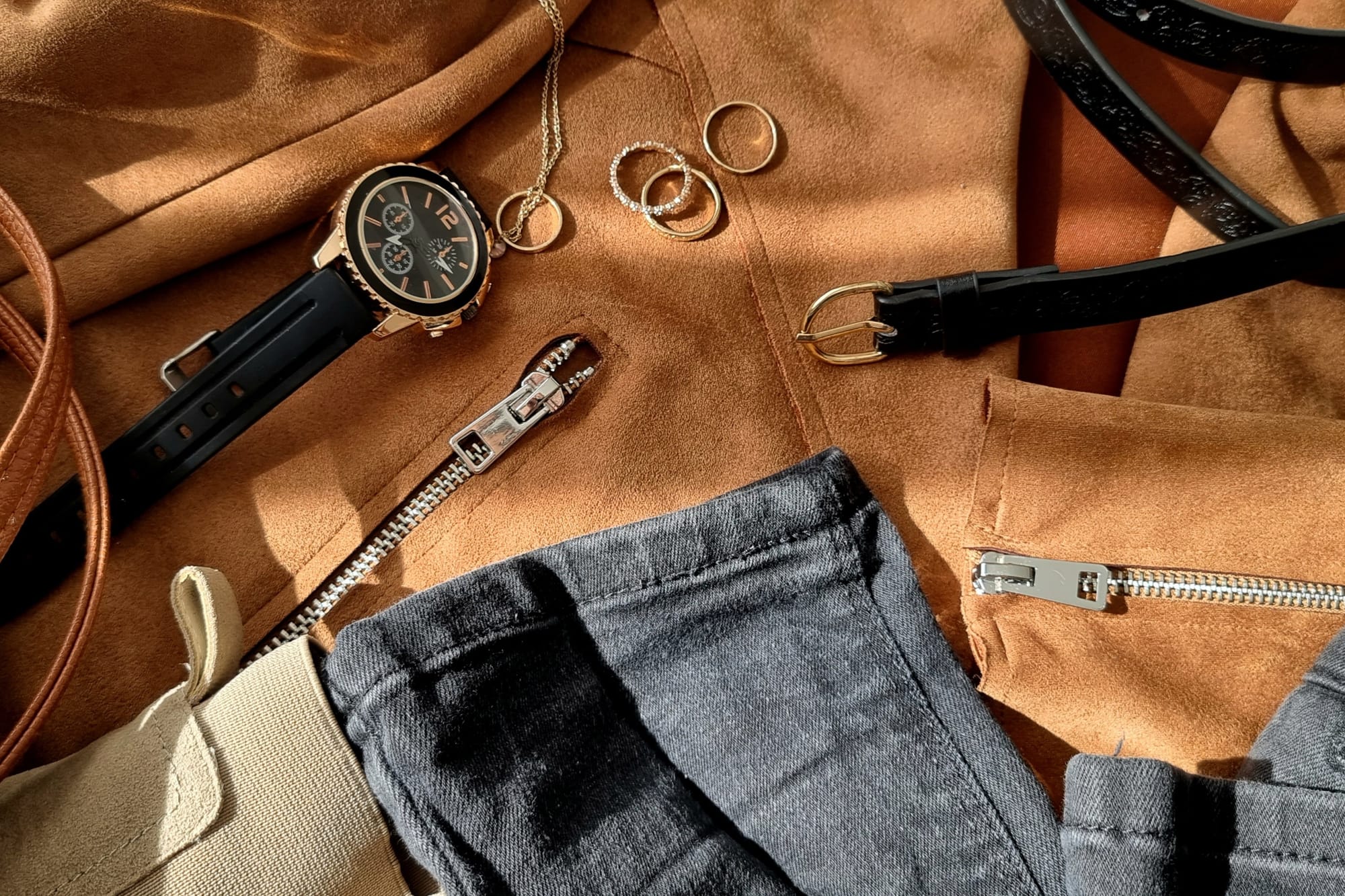
So, here are the noes. Say no to buying new leather, as every purchase supports continued demand for animal-derived products and the environmental costs that come with them. Avoid impulse purchases, whether leather or faux leather, and be cautious of low-quality alternatives that are unlikely to stand the test of time.
And here are the yeses. If you genuinely need a leather item, consider buying it second-hand from a charity shop or vintage store. You’re giving an existing product a second life rather than encouraging new production. Repairing and caring for leather you already own is another sustainable choice, helping to keep quality items in use for years to come.
Buying second hand leather
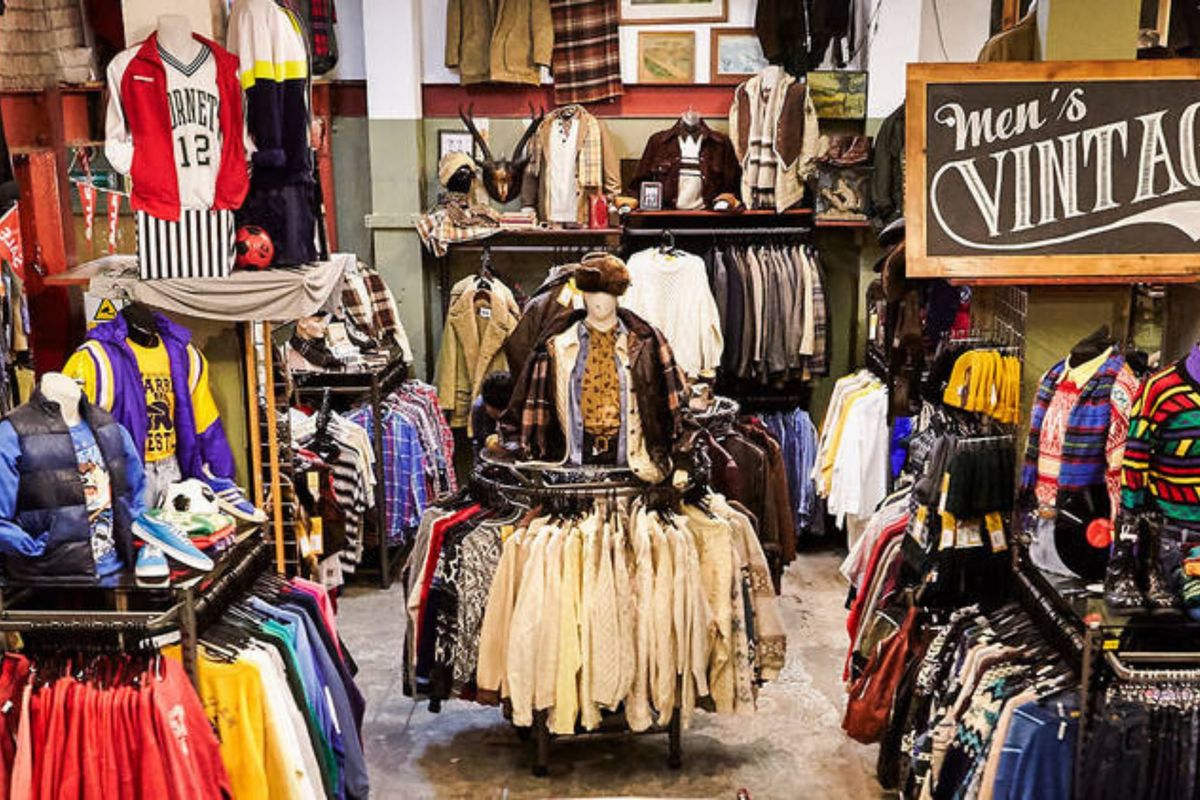
If you’re in or coming to London, at Soho, you will find Beyond Retro Soho, one of London’s best-known vintage stores, offering a wide range of pre-loved clothing and accessories. It’s a great place to browse timeless pieces while supporting a more circular approach to fashion.
Vinted app also sells a variety of leather products at a cheap price, which will definitely make your experience fun and affordable.
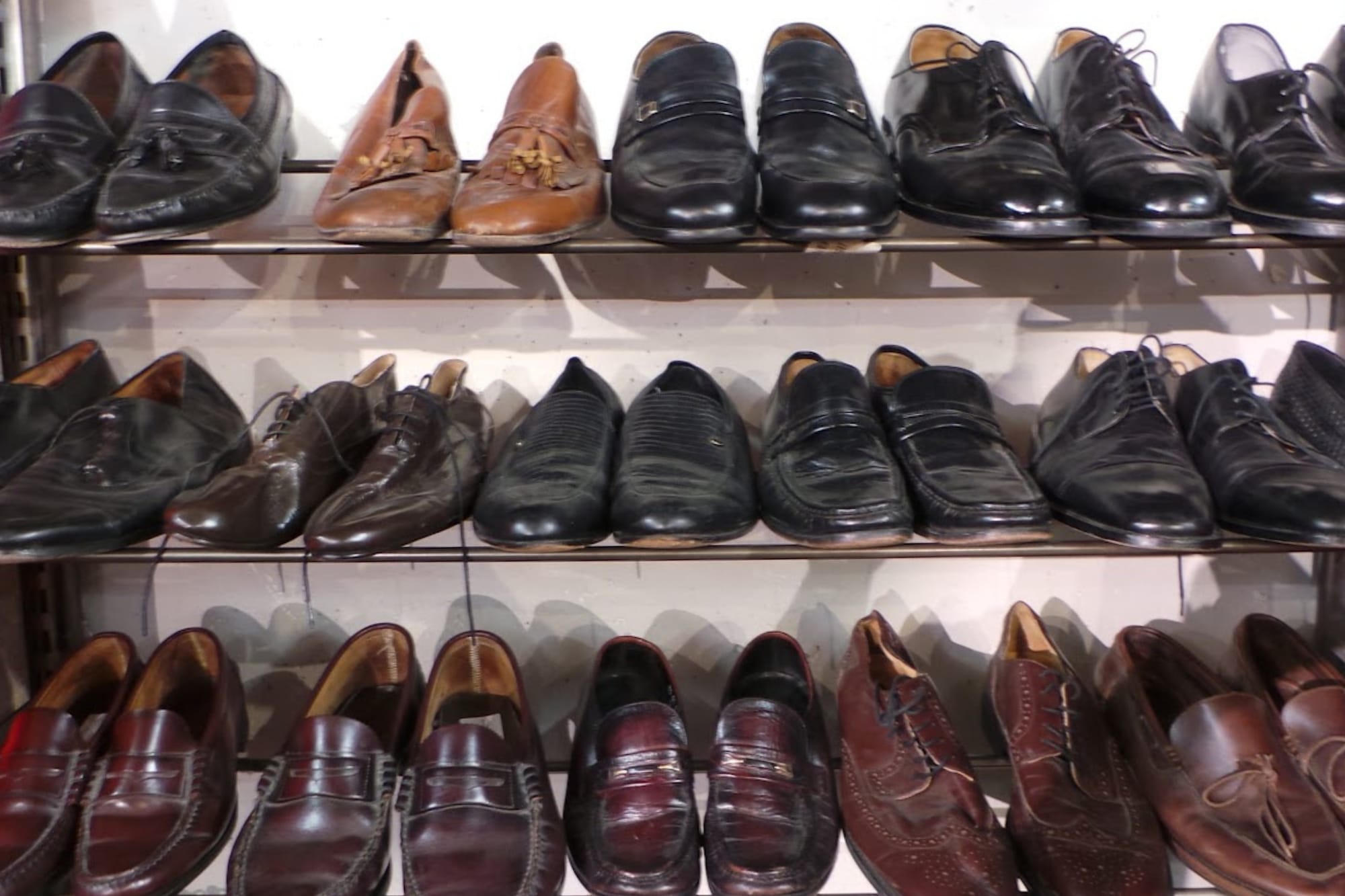
The goal isn’t simply to avoid leather at all costs—it’s to stop creating demand for new leather. Choosing second-hand, buying less and making what already exists last for longer is a far more sustainable step towards a kinder future.
The shift away from animal-derived materials is no longer limited to independent brands. Some of the world's biggest luxury fashion houses are proving that style and compassion can go hand in hand. British designer Stella McCartney has famously never used leather, fur or exotic skins, becoming a pioneer in cruelty-free luxury. Meanwhile, brands including Gucci, Burberry, Chanel and Vivienne Westwood have all taken significant steps towards reducing or eliminating animal-derived materials, showing that the future of fashion is increasingly ethical as well as sustainable.